
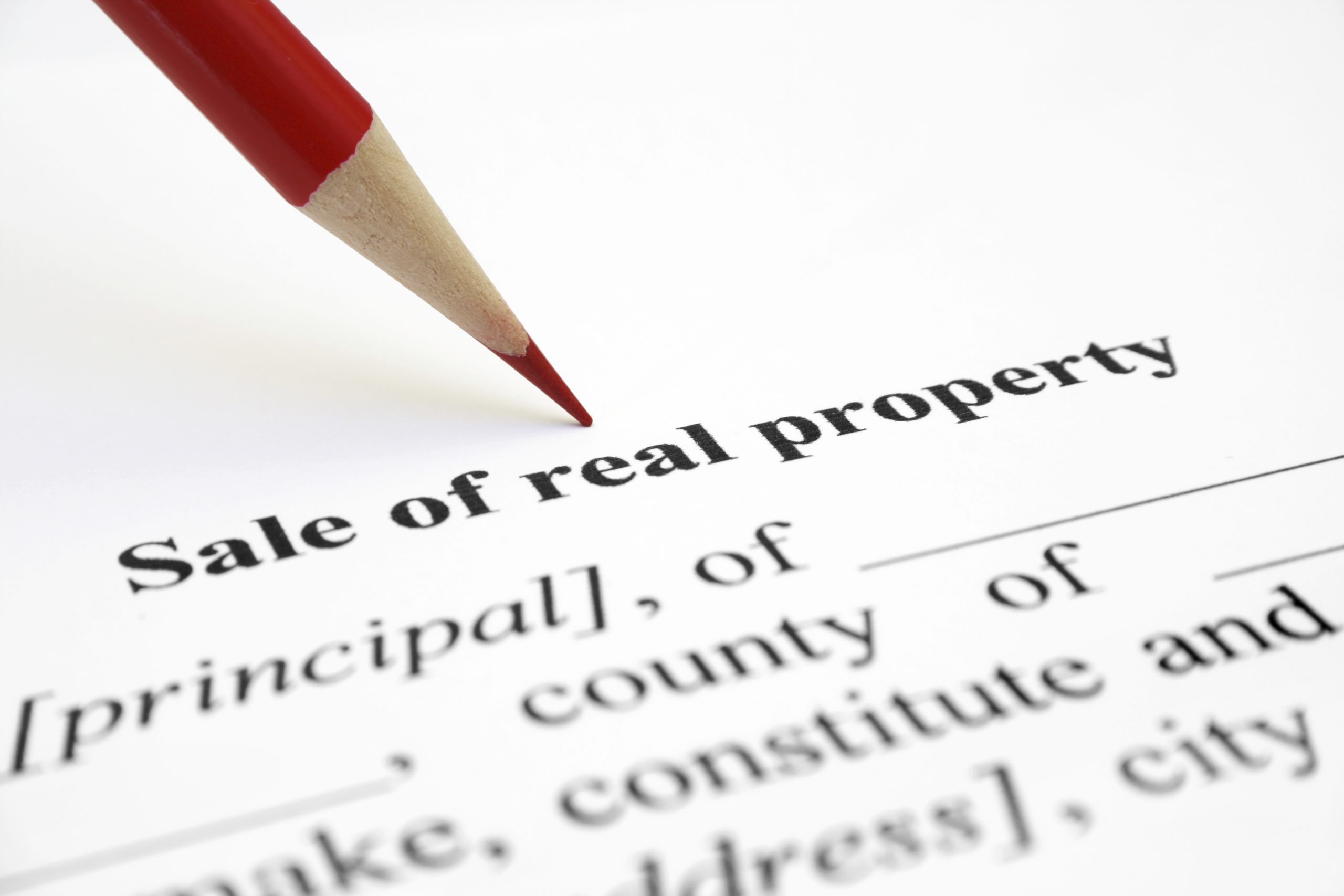
Understanding the terms in your real estate contract is essential for knowing what rights you have as a buyer or seller, as well as what obligations you need to fulfill. If you fail to understand any of these critical terms, you may find yourself struggling with legal issues later on. Here are seven terms you should make sure to watch out for in your real estate contract:
- Property details
-
-
- A seemingly basic, but essential, term of any real estate contract is the description of the property itself. This describes not only the location and address of the property, but also any important details that may be necessary to clarify what property is being sold.
-
- Sale price and deposit
-
-
- This term will determine exactly how much the buyer is expected to pay for the property, as agreed to during contract negotiations. It will also determine how much the buyer must put down as a deposit beforehand.
-
- Fixtures and furniture
-
-
- An important but often overlooked detail is determining whether fixtures, furniture, and other property are included as part of the sale. Not only could this affect the sale price, it can affect whether the buyer needs to obtain new furnishings or appliances for the property.
-
- Contingencies
-
-
- Contingencies refer to any obligations that must be fulfilled by either the buyer or seller before the sale can move forward. This includes things like the requirement to perform a property inspection, the need to establish clear title, and the requirement of a buyer to obtain pre-approval for a mortgage.
-
- Closing costs
-
-
- The real estate contract should also dictate who is responsible for which closing costs. This includes things like paying agent fees, paying taxes on the sale, and paying for inspections and other costs.
-
- Closing date
-
-
- The contract should also lay out any necessary details related to the agreed-upon closing date. This is the official date where the contract is completed and the buyer takes possession from the seller, meaning it is the final date where all contract terms must be completed.
-
- Terms of default
-
- Finally, the real estate contract should lay out any terms related to default, which is when one party breaks the terms of the contract. This will often impose costs of some kind on the person who violates the terms, such as requiring the buyer to give up their deposit in the event of a breach.
For more than 50 years, the New York lawyers at Elovich and Adell have represented clients like you in real estate cases. Our attorneys, conveniently located in Long Beach, handle personal injury, real estate, commercial transactions, criminal defense, and labor and employment claims all across New York State. For a consultation, please call us at 516-432-6263 or visit our contact page for more information.